
Right Seed, Right Time: How to Choose Seeds That Work for YOU
It’s about finding the right seeds for your specific intersection of place, skill, and appetite....
With baited breath, 👩🌾 gardeners around the world await the wave of seed catalogs arriving in mailboxes every fall. Thick and glossy, full of vibrant photography and captivating variety descriptions, they sustain us through the long winter—allowing growers to dream and plan. There’s something almost sacred about that ritual: the quiet house, a warm drink, and pages full of possibility.
If you’re anything like me, you want to grow “it all”—and your wish list amounts to several hundred dollars before you’ve even gotten to the seed garlic (which is fairly pricey on its own). You agonize over every packet: should you really try that new heirloom tomato? Can you actually grow watermelons where you live? And what does “75 days to maturity” even mean?
Seed selection is one of those tasks that looks simple on the surface but quietly determines the success or failure of your entire growing season before you’ve touched the soil. The good news is that it doesn’t have to be a guessing game. Ask yourself three questions worth asking before you spend so much as a dime:
Where do you grow? How do you grow? When do you want to eat it?
Answer those three questions honestly—about your climate, your experience level, and your harvest goals—and the right seeds will start to select themselves.🛒
HI. I’m Sam from Maine Homestead Life, a newsletter that teaches the skills our grandparents knew: how to grow, raise, and make REAL food and live independently from corporate food systems.
Did you know that hitting the heart icon ❤️ above or sharing this post makes it easier for people to find this newsletter? It also shows me that you appreciate my work!
In This Post:
Start With Your Growing Window
Where You Buy Matters Too
Be Honest About Your Skill Level
Plan Backwards From Your Harvest
Weekly Action Item
Right Seed, Right Time
Start With Your Growing Window
🪟Most seed guides lead with growing zones, which are useful, but also widely misunderstood. A hardiness zone tells you about average minimum winter temperatures. What it doesn’t tell you is how long your summers last, how hot they get, when your last spring frost falls, or when your first fall frost arrives.
All of that matters far more when you’re making seed selections.
What you actually need to know is your frost-free window: the number of days between your last expected frost in spring and your first expected frost in fall. In some parts of the world that window is 100 days. In others it’s 200. That number—more than any zone designation—is your primary filter for what you can realistically grow.
➡️Readers in the United States and Canada can find their local frost dates using the Old Farmer’s Almanac Frost Date Calculator.
Enter your zip code and it returns your last spring frost date, first fall frost date, and total growing season length based on historical climate data from the nearest weather station.
➡️For readers further afield, this global resource is worth bookmarking:
Global Frost Dates
It uses extensive historical climate data and sophisticated statistical methods to predict minimum temperatures for each day of the year—including estimates for air frost, light ground frost, and hard ground frost thresholds.
Once you’ve determined your frost-free window, you have your growing season mapped. Now use the “days to maturity” figure from your catalog or seed packet to decide whether a particular crop or variety is realistic for you. If a crop needs 90 days from transplant to harvest and your frost-free window is 110 days, you’re cutting it close. If it needs 120 days and you have 100, you simply can’t grow it outdoors without season extension—no matter how much you want to.
Cool Season vs. Warm Season
🪣Make it easier on yourself by sorting your crops into two groups: cool season and warm season. This distinction applies everywhere on earth, though what it looks like in practice differs by latitude.
Cool-season crops include brassicas like broccoli, cauliflower, kale, and collards; root crops such as carrots, beets, rutabaga, turnips, and radishes; alliums like onions, scallions, and leeks; and peas. Most salad greens prefer cooler temperatures too, and even I struggle some seasons to catch lettuce before it bolts.
🥦These crops thrive when the air is a little chilly and tend to falter in summer heat. They’re typically planted in spring before peak summer, or in late summer for a fall harvest. Many tolerate a light frost, and the flavor of some is actually improved by cold.
Warm-season crops, by contrast, need sustained warmth to produce. They sulk in cool soil, stall through cold nights, and won’t fruit properly until temperatures are reliably warm. This includes nightshades like tomatoes, peppers, and eggplant; cucurbits — cucumbers, pumpkins, squashes, and watermelons; and all manner of beans. These crops like it HOT.🌶🫑🍅
PRO-TIP: This warm-season vs. cool-season logic flips for gardeners in hotter climates. In places like the Middle East, South Asia, or the deep American South, your limiting factor isn’t frost—it’s heat. Cool-season crops go in during spring and fall, and midsummer is your hostile window. You’re not counting down to the last frost date; you’re counting down to the first triple-digit week. The framework still applies, but the calendar looks quite different.
Microclimates: What No Map Can Tell You
🗺Every map and zone designation describes an average. Your garden is not average—it’s a specific piece of ground with its own particular quirks and nuances.
🌡If you’re growing at the bottom of a slope your garden may be 5°F colder than the field at the top of the hill on a still night. A raised bed against a south-facing brick wall can run weeks ahead of the surrounding garden. An urban backyard surrounded by buildings holds heat differently than a rooftop garden or a rural plot in the open countryside.
That’s why you have to pay attention to your local conditions. They can shift your effective growing window by two to four weeks in either direction—opening up possibilities that your official zone says shouldn’t work, or closing doors that looked open on paper. Your microclimate is something that can only be learned over multiple seasons, not looked up online. This is why I urge every grower to keep a garden journal and document the conditions that affect your unique growing situation.
Where You Buy Matters Too
🫘Now that you understand your growing window, the next decision is where to source your seeds—and this matters more than most people realize.
Firstly, let me say that all seed companies are NOT created equal!
Big-box garden centers and large national seed companies (think Home Depot, Tractor Supply, TrueValue and Burpee) offer convenience and low prices, but their selections are often bred and marketed for the broadest possible audience. A variety that performs adequately from Florida to Montana isn’t necessarily optimized for your conditions.
📜What many gardeners don’t realize is that the USDA’s Federal Seed Act sets only a minimum baseline—and not all companies do much more than meet it. The Act requires seed companies selling in interstate commerce to label all containers with a germination percentage and test date. Minimum thresholds vary by crop—lettuce and peas are held to 80%, while carrots and peppers have lower minimums. Any lot falling short must be labeled “Below Standard,” and test results are valid for no more than five months before retesting is required.
Some companies hold themselves to standards well above these federal minimums; others barely meet them. You can name-drop the ones to avoid in the comments below and your fellow homesteaders will thank you.
Local and regional seed companies are worth seeking out whenever possible. Companies like Johnny’s Selected Seeds typically trial their varieties in conditions similar to yours, and their catalogs reflect what actually works in your climate. When a regional seed company in a short-season northern climate calls a tomato “reliable,” they mean something specific and hard-won. That recommendation carries real weight compared to generic marketing copy.
🪴Many regions also have seed libraries, seed swaps, seedling and scion swaps, and homesteader communities where locally-adapted seed—sometimes grown and selected over successive generations—changes hands. These seeds have been quietly trialed in your climate every year by your neighbors and community members. That’s enormously valuable.
Deciphering the Seed Catalog
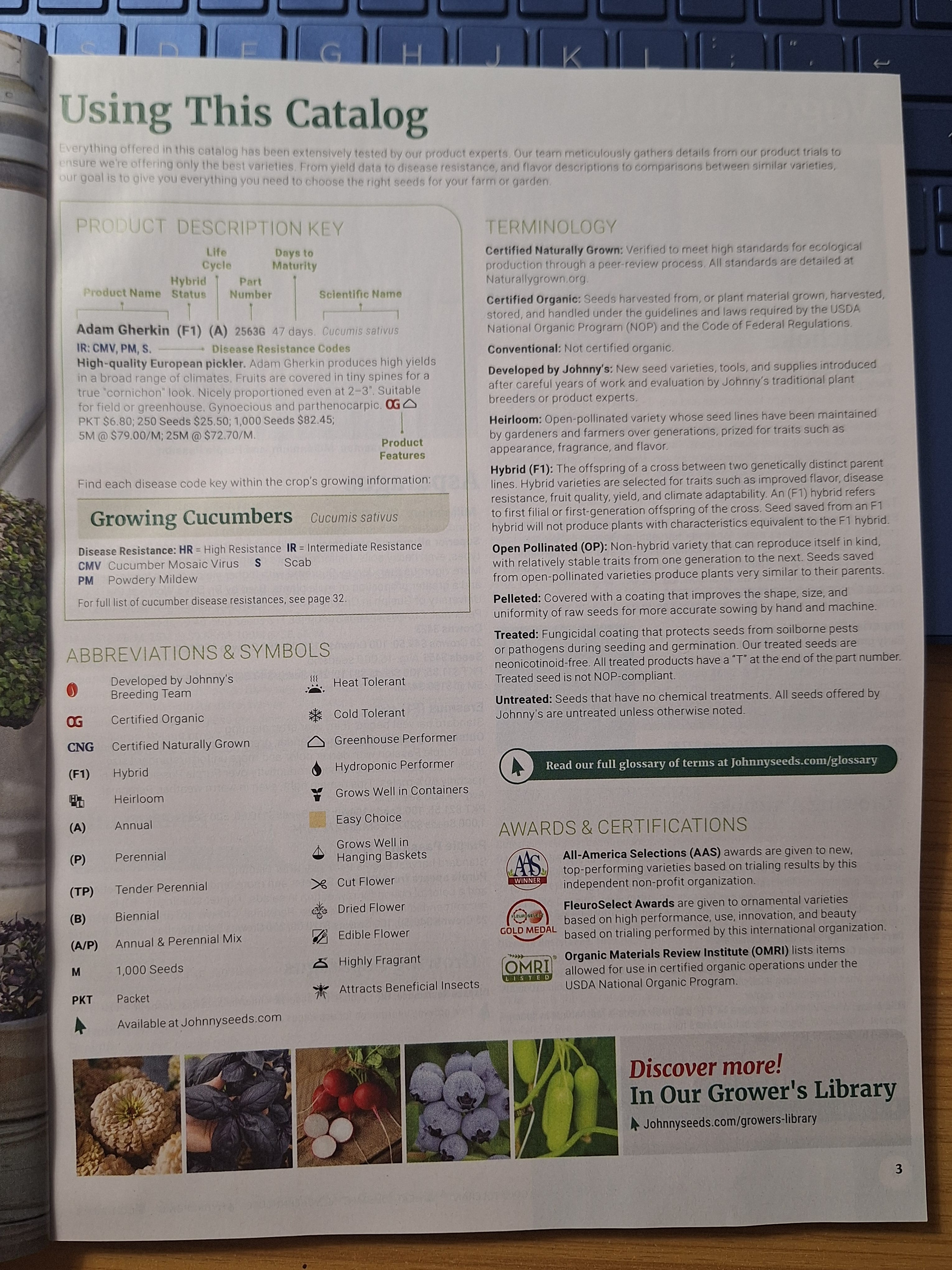
Seed catalogs are marketing documents, but the good ones are also technical references—and learning to read them as such will make you a sharper buyer.
❇️Most catalogs use a system of symbols or coded abbreviations to communicate key information at a glance. Disease resistance, for example, is often indicated by initials after the variety name: V (verticillium wilt), F (fusarium wilt), N (nematodes), T (tobacco mosaic virus), and A (alternaria) are common ones for tomatoes. If you’ve had recurring disease problems in your garden, these codes tell you which varieties have been bred to resist them.
➡️Look for language that signals regional performance: “reliable in cool summers,” “tolerates drought,” “early producer,” “sets fruit in low light.” These phrases appear when a company has actually trialed a variety in challenging conditions and found it worthy of note. Generic copy—”delicious flavor,” “heavy yields,” “a garden classic”—tells you very little.
➡️Pay attention to the difference between days to maturity from transplant vs. days from direct sowing. The same variety might be listed as 70 days, but if that’s from transplant and you’re direct-sowing, you need to add another four to six weeks. This distinction is often where gardeners miscalculate their season.
➡️Note the difference between hybrid (F1) and open-pollinated or heirloom designations. This affects not just how the plant grows, but whether you can save seed from it—more on that in a moment.
➡️Finally, look for trial year or introduction year on newer varieties. A variety that just entered commerce this season has far less field history than one that’s been grown for a decade. Novel varieties can be exciting, but proven ones are proven for a reason.
The Seed Packet as a Planning Document
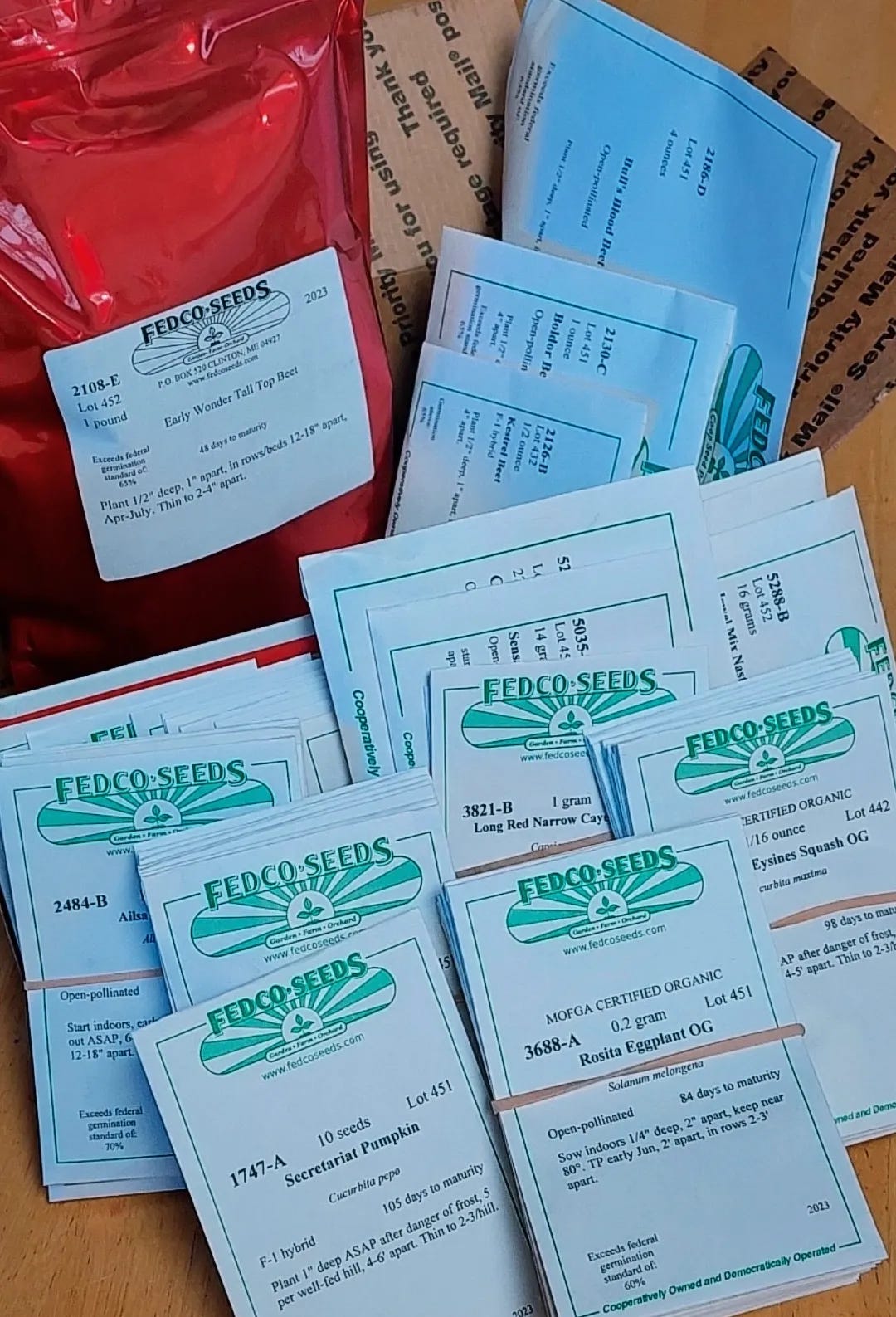
🫛Most people glance at the photo and the variety name on a seed packet and move on. A well-designed packet, though, is a dense little planning document.
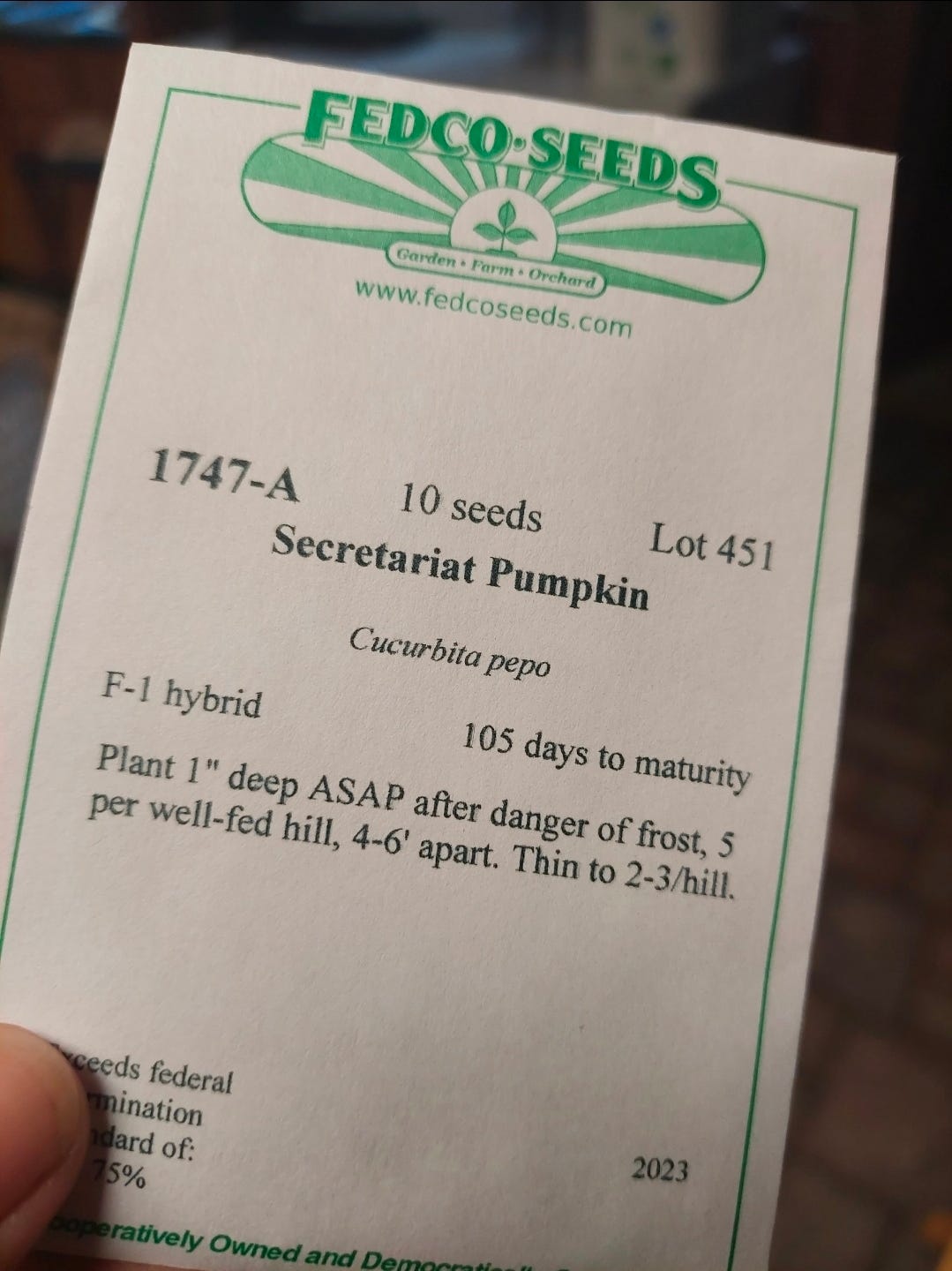
Before you buy—or before you sow—look for:
Days to maturity — and note whether this is from direct sowing or from transplant, as the difference can be significant
Germination rate — tells you what percentage of seeds you can expect to sprout under good conditions. A 75% germination rate means you should sow about 25% more seeds than you think you need.
Seeding depth and spacing — those spacing numbers aren’t just a suggestion. If a tomato wants 24–36 inches, it genuinely needs that space to produce well.
Container suitability — some varieties are specifically bred for containers or small spaces, which matters if you’re working with a balcony or limited ground
Disease resistance codes — particularly relevant if you’ve had recurring problems in previous seasons
Seeds Don’t Last Forever
⏰️Even under ideal conditions, seeds don’t stay viable indefinitely—and they don’t all age at the same rate, either. If you’re working through last year’s stash or inheriting seeds from someone else, viability matters for your planning. Lower germination rates mean thinner stands and less predictable yields.
🧅As a rough guide: onions and leeks have some of the shortest shelf lives, often just one to two years. 🥕Carrots and parsnips are similar. Pelleted seeds—small seeds coated in clay to make handling and precision seeding easier—have a significantly shortened shelf life because the clay coating compromises the seed over time.
🍅🍆On the other end of the spectrum, tomatoes, cucumbers, squash, and beans can remain viable for four to six years when stored properly in a cool, dry, dark place. Most common vegetables fall somewhere in the two-to-four-year range.
Professional seed storage relies on refrigerated warehouses where temperature and humidity are kept consistently low—that combination is the most critical factor in maintaining viability. At home, a sealed container in the back of a cool closet or a spare refrigerator goes a long way.
PRO TIP: When in doubt, do a quick germination test before the season. Fold ten seeds in a damp paper towel, seal it in a zip-lock bag, and place it somewhere warm for the crop’s typical germination period. Count how many sprout. Eight out of ten means an 80% germination rate — perfectly workable. Two out of ten means it’s time to buy fresh seed.
Be Honest About Your Skill Level
🎓Too many new growers underestimate the skill involved in taking a crop from seed to harvest. Matching your seed selection to your actual skill level—not the skill level you aspire to—is what turns a frustrating season into a successful one.
The Beginner List
Some crops are just plain easier to grow than others. They tolerate imperfect timing, irregular watering, and beginner mistakes with good humor and still produce a harvest. These are your foundation crops:
Radishes, beans, peas, lettuce, zucchini, sunflowers, and most culinary herbs fall into this category. They’re typically direct-sown (no indoor starting required), mature relatively quickly, and don’t demand precise conditions to produce.
Kale and chard are similarly obliging. Nasturtiums are nearly indestructible — and edible. Cherry tomatoes are far more forgiving than large-fruited varieties.
🍉Notice what’s missing from that list: peppers, celery, celeriac, head-forming brassicas like broccoli and cauliflower, and melons. These crops aren’t impossible, but they reward experience and punish neglect.
Next Level Crops
🪜As you gain experience, you can start taking on next level crops—the ones that demand more but deliver more in return. A few things to know before you dig in:
STARTING TRANSPLANTS INDOORS
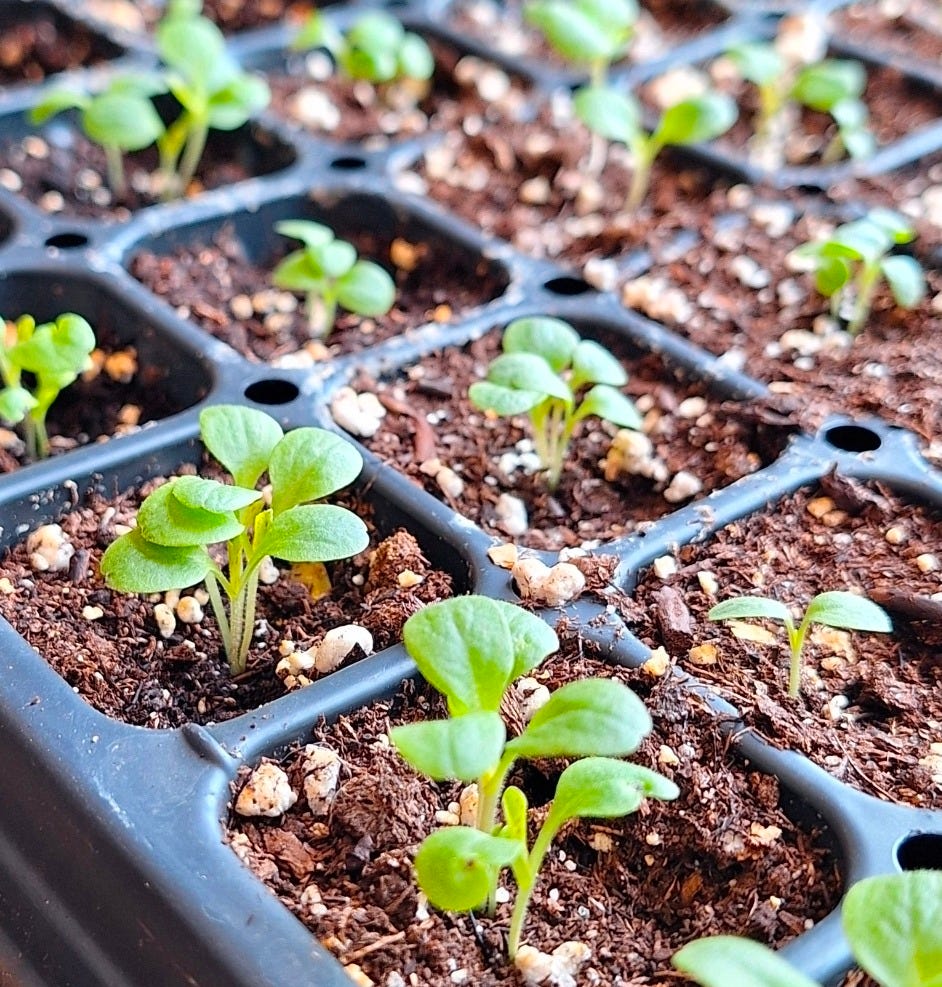
🍅Many long-season crops — tomatoes, peppers, eggplant—need to be started weeks or months before outdoor planting, under grow lights or in a greenhouse. This is a whole additional skill set involving timing, light management, watering discipline, and hardening off. It’s absolutely learnable, but be prepared for hiccups, setbacks, and the occasional flat of seedlings that doesn’t make it.
LONG DAYS TO MATURITY
Crops that need 100+ days give you fewer chances to course-correct. A mistake in June can have consequences that stretch all the way to October.
DISEASE & PEST VULNERABILITY
🐛Some crops—like brassicas in regions with clubroot, tomatoes in humid climates, squash with vine borers—require proactive management. Beginners often don’t yet recognize the early signs of trouble, which is another reason keeping a journal matters.
PERENNIAL FOOD CROPS
🍎These represent a meaningful step up in commitment and planning horizon. Asparagus won’t produce for two to three years after planting. Artichokes require a permanent bed and winter protection in cold climates. Perennial herbs like lovage or sorrel ask less of you, but all perennials require thinking beyond a single season. They’re enormously rewarding—but they’re a fundamentally different kind of decision than choosing what to direct-sow in May.
Variety Selection Within a Crop
🎯The variety choice within that crop is where zone, skill, and harvest window actually converge—and this is where a lot of people go wrong.
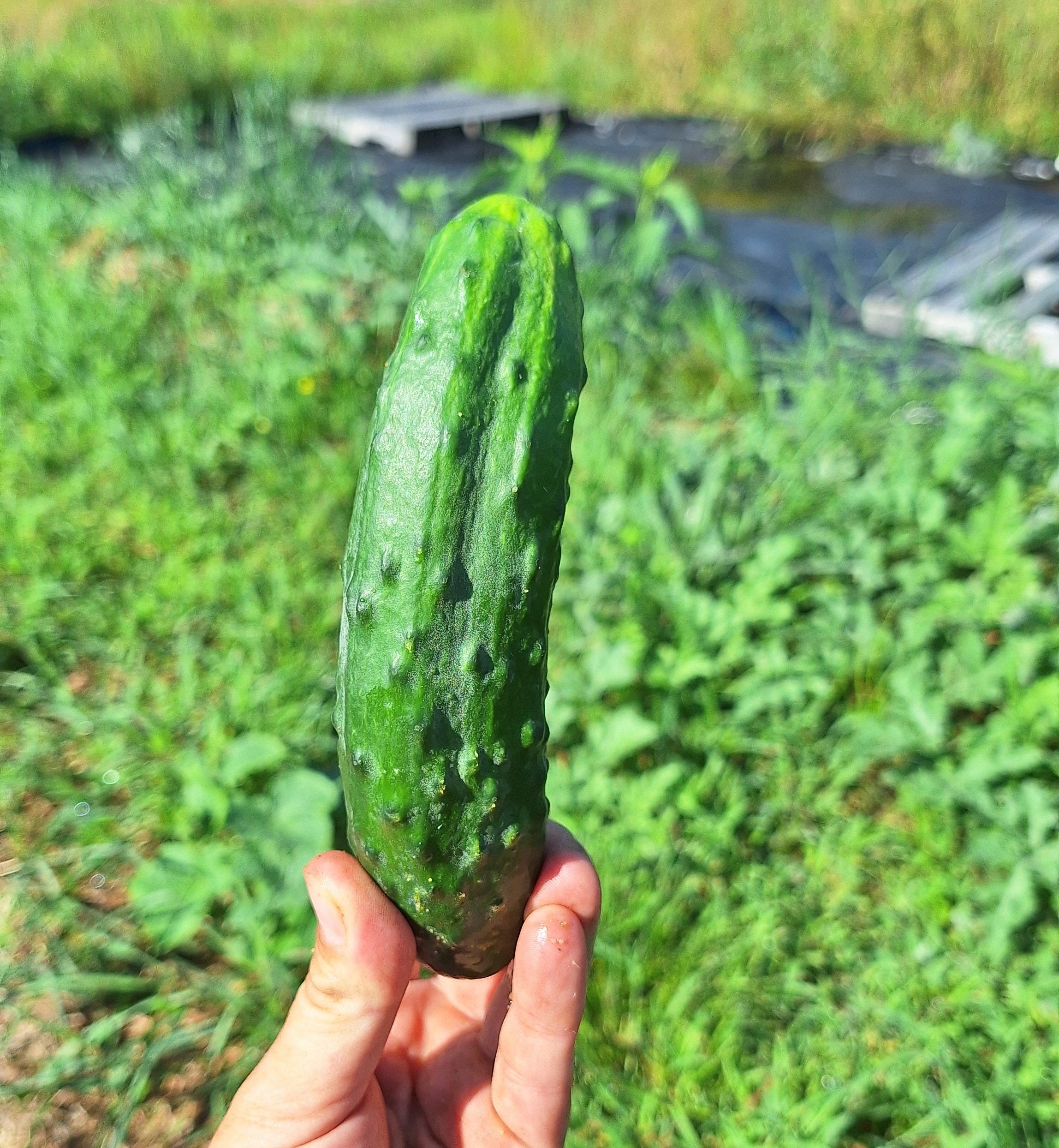
“I’m growing tomatoes” tells you almost nothing. A cherry tomato that ripens in 55 days from transplant is a completely different plant, requiring a completely different plan, than a large beefsteak at 85 days. A slicing cucumber bred for greenhouse production with resistance to fungal disease is not the same choice as an heirloom variety selected for flavor in a dry western garden.
I urge you to read variety descriptions carefully, and look for language that speaks to your specific conditions: “reliable in cool summers,” “tolerates drought,” “early producer,” “compact habit for containers.” Seed companies that actually trial their varieties will use this kind of specific, useful language—and often include coded symbols to make identifying those traits even easier.
Open-Pollinated vs. Hybrid: What It Means for You
🌽This distinction comes up constantly in seed discussions and often generates more heat than it needs to. Just because a seed is a hybrid, does NOT mean it is a GMO seed product!
➡️GMOs are a whole post on their own, but suffice it to say GMO seeds are generally produced for commodity crops like corn, cotton, canola and sugar beets, and for the most part you’re not going to see those kinds of seeds in the average seed catalog.
HYBRIDS
Hybrid seeds (labeled F1 in catalogs) are crosses between two parent lines, selected for specific traits—uniformity, disease resistance, high yield, or vigor. They often perform predictably and well, especially in challenging conditions. The tradeoff is that seeds saved from hybrid plants won’t grow true to the parent; they’ll revert toward the parent lines used in the cross. You’ll need to buy fresh seeds each year.
OPEN-POLLINATED
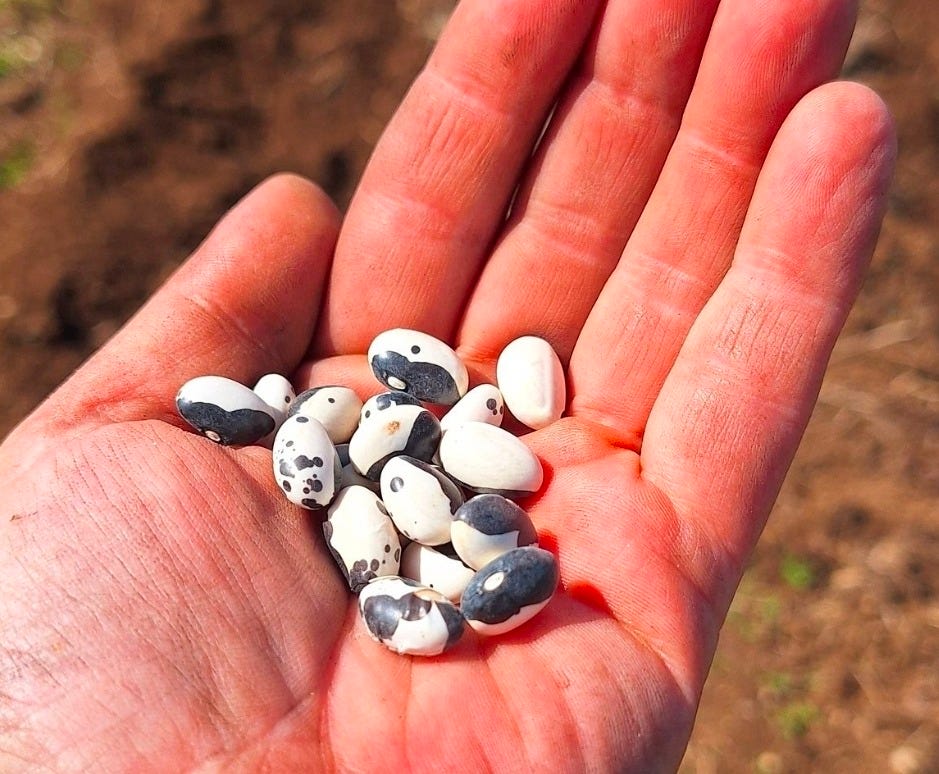
🌿Open-pollinated seeds, including heirlooms, breed true. Seeds saved from this year’s best plants will produce plants with the same characteristics next year. This is meaningful if you want to save seed, build locally-adapted varieties over time, or reduce your dependence on purchasing seeds annually. Seed saving is also a skill that rewards practice—the longer you select for the traits that matter in your garden, the better your seed becomes.
For beginners, hybrids often offer a more reliable entry point. For experienced gardeners interested in seed saving and long-term self-sufficiency, open-pollinated varieties open up a whole additional dimension of the craft.
The 3–5 New Varieties Rule
🥔Regardless of your experience level, this is worth adopting as a standing policy: limit yourself to three to five new or experimental varieties per season, and fill the rest of your garden with varieties you’ve already tested and trust.
It’s tempting, especially in January with a catalog in hand, to go all-in on novelty. But a garden full of untested varieties is a garden full of risk. New varieties may underperform, fail to mature in time, or simply not suit your conditions. Keep your experiments small and your proven performers well-represented, and you’ll have a harvest to eat while still feeding your curiosity.
Plan Backwards From Your Harvest
🗓Now that you have your growing window mapped and your skill level honestly assessed, the final piece is planning backwards from when you actually want to eat whatever it is you’re growing.
Most gardeners plan forwards: “It’s spring, I’ll plant all the things.” The result is often a glut of everything ripening at once in August, followed by bare beds in September. Planning backwards—starting from the harvest you want and working back to a planting date—produces a more intentional, more continuous result.
The Backwards Planning Formula
The math is simple:
First fall frost date − days to maturity = latest possible planting date
🍂If your first frost arrives October 1st and your crop needs 60 days to mature, it must be in the ground by August 2nd at the latest. Work this calculation for every crop you’re considering and you’ll quickly see which ones are realistic and which ones you’ve already missed the window for.
For spring crops, the formula runs the other direction:
Last spring frost date + days after frost safe to plant = earliest planting date
❄️Some crops can go in before last frost—many cool-season crops tolerate light freezes, while others need to wait until the soil has warmed. Check your seed packet to determine which category your crop falls into.
Succession Sowing: Thinking in Harvest “Waves”
🌊Rather than thinking about “the garden,” think about a sequence of harvests across the season. A well-planned garden produces something worth eating in every month of your growing window—and the tool that makes that possible is succession sowing.
In temperate climates this typically looks like:
🌷Early spring: Greens and peas, early summer roots and brassicas.
Midsummer: beans, zucchini, and cucumbers.
🥵Peak summer: tomatoes and squash.
Fall: brassicas and storage crops.
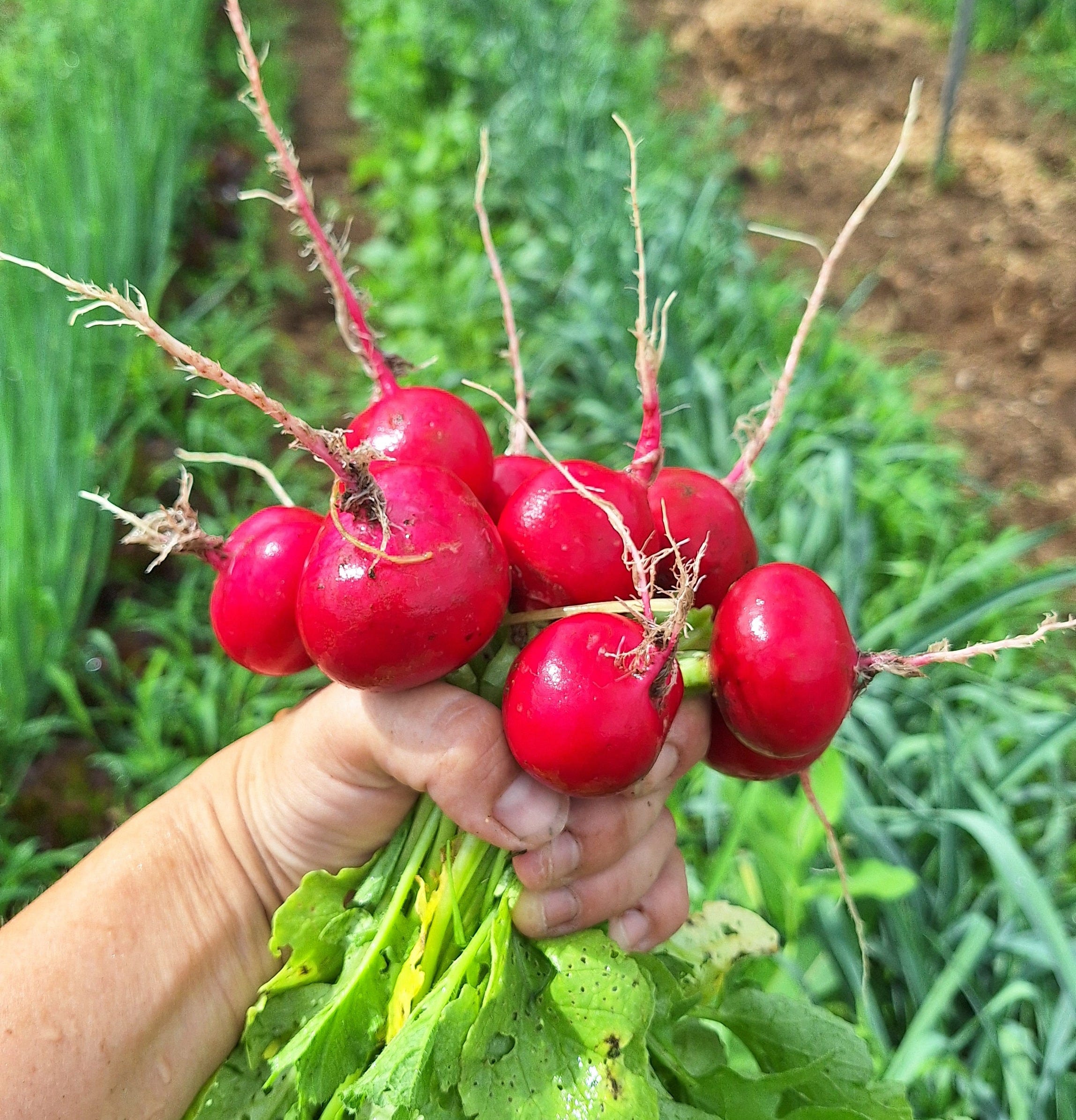
The practical engine behind succession sowing is fairly simple. Instead of sowing all your lettuce at once, sow a short row every two to three weeks. Instead of planting all your beans in one afternoon, plant a quarter of them, then return two weeks later with another quarter. You’ll never have more than you can eat, and you’ll never have none. This applies to radishes, salad greens, cilantro, dill, bush beans, peas—any fast-maturing crop. It requires almost no extra work and dramatically changes the character of your harvest season. Map out what you want to be eating in each phase, then work backwards to find what needs to be planted—and when—to make it happen.
🌗Some crops can go in before last frost—many cool-season crops tolerate light freezes, while others need to wait until the soil has warmed. Check your seed packet to determine which category your crop falls into.
And if your math isn’t quite adding up—if the crop you want needs more days than your window allows—season extension tools like row covers, cold frames, and low tunnels can buy you two to four weeks on either end. It’s a bigger topic than I can do justice to here, but one worth exploring. I’ll be covering it in depth in a future article.
Action Item for This Week
➡️Before you place your seed order this season, do three things: look up your frost dates, make an honest list of what you're ready to take on this year, and write down what you want to be eating — and when. Everything else will follow from there.
Right Seed, Right Time
☝️Ask ten gardeners what the best tomato variety is and you’ll get ten different answers. It’s about finding the right seeds for your specific intersection of place, skill, and appetite. A seed that thrives in your neighbor’s garden might struggle in yours if your microclimate runs colder or your season runs shorter. A variety that a more experienced grower handles easily might demand more than you can give it this year. A crop that peaks in August is useless to you if your goal is a fall harvest.
Answering those three questions—growing window, skill level, harvest planning—doesn’t tell you exactly what to grow. It gives you a set of honest filters to run every seed decision through. Over time, those decisions accumulate into a garden that actually fits your life: your climate, your experience, and your table.
➡️The right seed at the right time doesn’t happen by accident—it’s the natural result of knowing your window, your skill level, and what you want on your table. Start with what’s true for your situation. Take notes. Save what works. Let the catalog daydreaming be exactly that—and then let those three questions do the rest.
Until next time, farm friends!
—Sam
Ready to start growing your own transplants?
➡️Feel free to share you thoughts, questions and experiences below. Let’s help each other grow!
*****If you’re thinking about embarking on your very own homestead journey this year, then join our Maine Homestead Life community. We can grow together!*****
If a subscription is not possible, please comment, like, share. It really helps.
Seen my FREE subscriber chat? We help each other grow & connect.

Exactly! Planting is so subjective and it's crucial to know your own particulars.
Thanks for sharing!
I live in Southern British Columbia, Canada where in early August temperatures are above 40C...it is extremely difficult to plant anything at that time. Likewise, spring temperatures can exceed 30C in April causing bolting for cold crops, so for me, I have to consider last frost date, first frost date and HEAT when timing my plantings. Globalvillagepermaculture.ca